Backing up your WordPress site is essential to protect your content, design, and data from loss. This guide shows you multiple reliable methods—using plugins, manual backups, and hosting tools—so you can choose the best option for your needs. Whether you’re a beginner or experienced user, you’ll learn how to create, store, and restore backups safely.
Key Takeaways
- Regular backups prevent data loss: Always back up your site before updates, migrations, or major changes.
- Use trusted backup plugins: Tools like UpdraftPlus and BackupBuddy automate the process and save time.
- Store backups offsite: Keep copies in cloud storage like Google Drive or Dropbox for extra safety.
- Manual backups work too: Download files via FTP and export your database using phpMyAdmin.
- Check your hosting provider: Many hosts like Bluehost and WP Engine offer built-in backup solutions.
- Test your backups: Regularly verify that your backup files can be restored successfully.
- Automate when possible: Schedule daily or weekly backups to stay protected without remembering.
Why Backing Up Your WordPress Site Matters
Imagine spending months building your WordPress site—only to lose everything because of a hack, server crash, or accidental deletion. That’s why knowing how to backup WordPress site is not optional—it’s essential. A solid backup strategy protects your content, plugins, themes, and settings, so you can restore your site quickly if something goes wrong.
Whether you run a blog, online store, or business website, regular backups give you peace of mind. They also make it safer to update your WordPress theme, install new plugins, or migrate to a new host. In this guide, we’ll walk you through three proven methods: using backup plugins, manual backups, and hosting-based tools.
Method 1: Backup WordPress Site Using Plugins (Easiest)
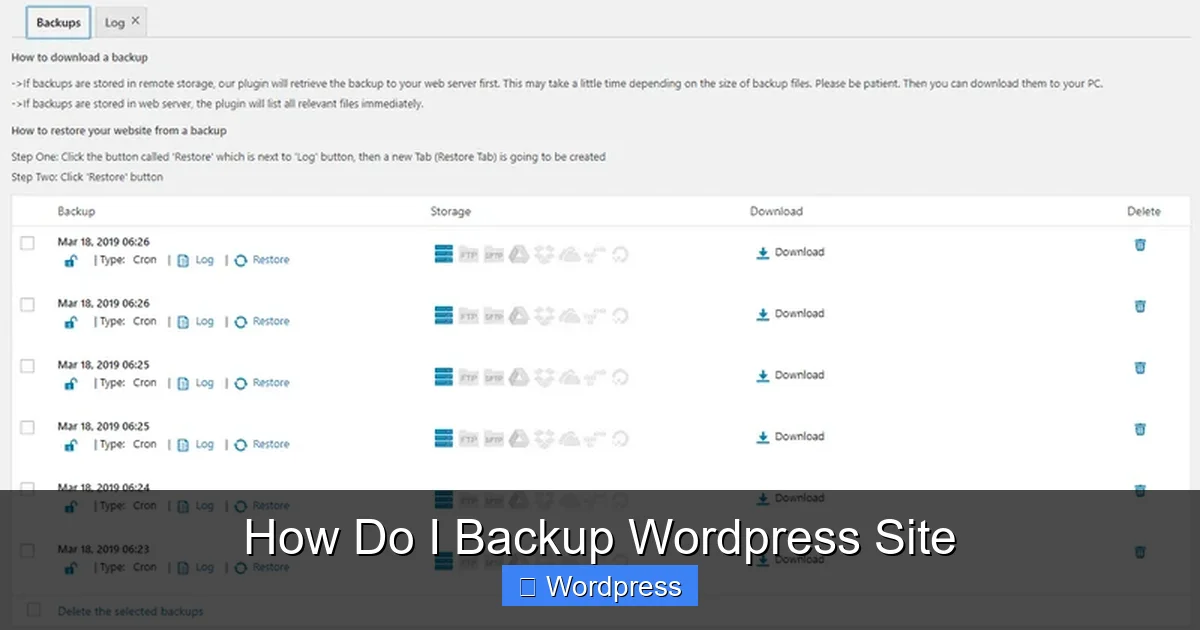
For most users, backup plugins are the fastest and most reliable way to protect their site. These tools automate the process and often include scheduling, cloud storage, and one-click restores.
Visual guide about How Do I Backup WordPress Site
Image source: wpnewsify.com
Step 1: Choose a Reliable Backup Plugin
Popular free options include UpdraftPlus, BackWPup, and Duplicator. UpdraftPlus is especially beginner-friendly and supports multiple cloud services.
Step 2: Install and Activate the Plugin
- Go to your WordPress dashboard.
- Navigate to Plugins > Add New.
- Search for “UpdraftPlus,” click Install Now, then Activate.
Step 3: Configure Backup Settings
- Go to Settings > UpdraftPlus Backups.
- Choose what to back up: files, database, or both (recommended).
- Select a remote storage location like Google Drive, Dropbox, or Amazon S3.
- Set a backup schedule—daily or weekly is ideal for active sites.
Step 4: Run Your First Backup
Click Backup Now to create your initial backup. The plugin will save your files and database to your chosen cloud service. This may take a few minutes depending on your site size.
Pro Tip: Always test your backup by restoring it on a staging site. This ensures it works when you really need it.
Method 2: Manual Backup (For Advanced Users)
If you prefer full control or don’t want to rely on plugins, you can manually backup your WordPress site using FTP and phpMyAdmin. This method is free but requires more technical steps.
Visual guide about How Do I Backup WordPress Site
Image source: i0.wp.com
Step 1: Backup WordPress Files via FTP
- Use an FTP client like FileZilla to connect to your site.
- Navigate to your WordPress root folder (usually
public_htmlorwww). - Download all files and folders, including
wp-content,wp-config.php, and.htaccess.
Step 2: Export Your Database
- Log in to your hosting control panel (like cPanel).
- Open phpMyAdmin.
- Select your WordPress database from the left sidebar.
- Click Export, choose Quick export method, and click Go to download the SQL file.
Step 3: Store Backups Safely
Save both the file backup and database export in a secure location. Use encrypted cloud storage or an external hard drive. Never keep backups only on your local computer.
Note: Manual backups don’t include plugin settings stored in the database, so always double-check after restoring.
Method 3: Use Your Hosting Provider’s Backup Tools
Many WordPress hosts offer built-in backup features. These are often simpler than plugins and integrate directly with your server.
Check If Your Host Offers Backups
Hosts like Bluehost, WP Engine, and SiteGround provide automatic daily backups. Log into your hosting account and look for a “Backups” or “Snapshots” section.
How to Restore from Hosting Backups
- In cPanel or your host’s dashboard, find the backup tool.
- Choose a backup date and click Restore.
- Confirm the action—this will overwrite your current site with the backup version.
Warning: Hosting backups may not always be up-to-date. Always create a manual or plugin backup before major changes.
Best Practices for WordPress Backups
Creating a backup is only half the job. Follow these tips to ensure your backups are truly reliable:
- Backup regularly: Set a schedule based on how often you update your site. Daily for busy blogs, weekly for static sites.
- Store offsite: Never keep backups only on your server. Use cloud storage like Google Drive or Dropbox.
- Test restores: Practice restoring your backup on a test site to confirm it works.
- Keep multiple versions: Save at least 3 recent backups in case the latest one is corrupted.
- Monitor backup logs: Check plugin or host logs to ensure backups run successfully.
Troubleshooting Common Backup Issues
Even with the best tools, problems can happen. Here’s how to fix common issues:
Backup Fails or Times Out
This often happens with large sites. Try increasing PHP memory limits or splitting the backup into smaller parts. Some plugins like Duplicator let you exclude large folders (like uploads) and back them up separately.
Can’t Restore Backup
Ensure your backup includes both files and the database. If restoring via plugin fails, try manual restoration using FTP and phpMyAdmin. Also, check file permissions on your server.
Backup Files Are Corrupted
Always download backups immediately after creation and verify their size. A 0 KB file means the backup failed. Use checksum tools to confirm file integrity.
Conclusion
Learning how to backup WordPress site is one of the smartest things you can do as a website owner. Whether you use a plugin like UpdraftPlus, manual FTP and database exports, or your host’s tools, the key is consistency and testing. Don’t wait for a crisis—set up automated backups today and store them safely offsite.
Remember, a backup is only useful if it works when you need it. So take 10 minutes now to create your first backup, and schedule regular updates. Your future self will thank you.