When you browse the internet, your data can be at risk. Two common tools to protect your data are VPNs and Proxy Servers. But, which one should you choose? This guide will help you understand the differences between VPN and Proxy Server.
What is a VPN?
VPN stands for Virtual Private Network. It is a tool that encrypts your internet connection. When you use a VPN, your data is secure. It hides your IP address and makes your online activity private.
How Does A Vpn Work?
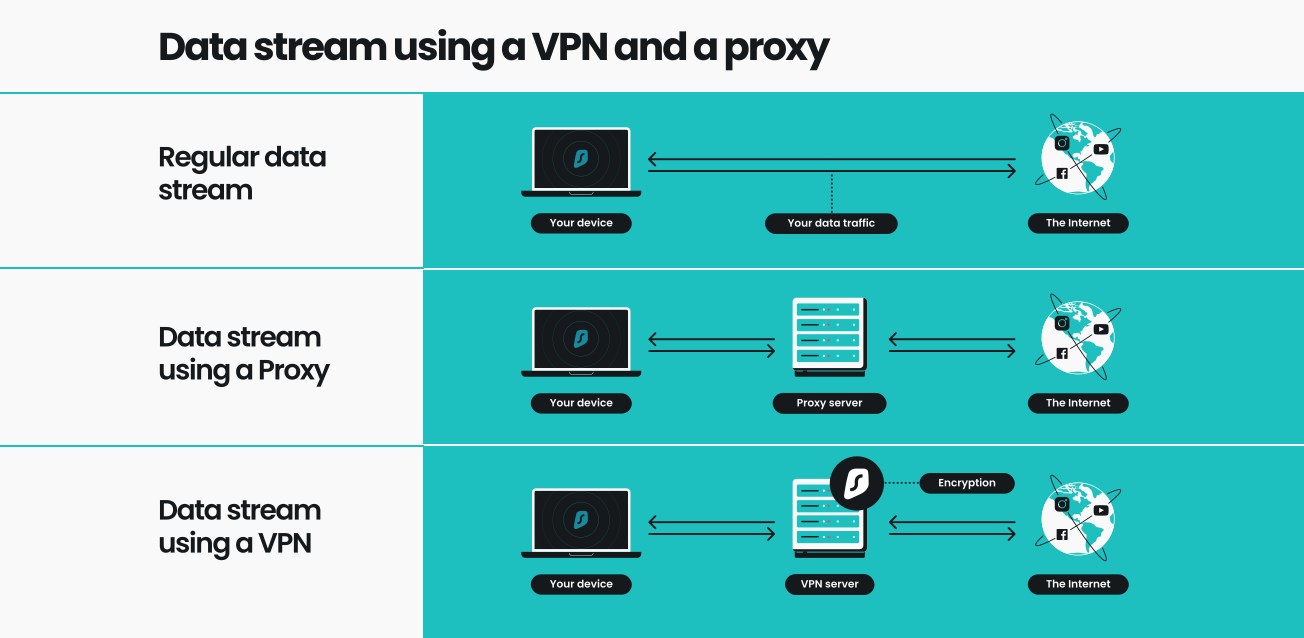
A VPN creates a secure tunnel between your device and the internet. Here’s how it works:
- You connect to a VPN server.
- Your data is encrypted.
- Your data travels through the secure tunnel.
- The VPN server sends your data to the internet.
This process keeps your data safe from hackers. It also hides your IP address, making you anonymous online.
What is a Proxy Server?
A Proxy Server acts as a middleman between your device and the internet. When you use a Proxy Server, your requests go through the proxy first. The proxy then sends your request to the internet.
How Does A Proxy Server Work?
Here’s how a Proxy Server works:
- You send a request to the Proxy Server.
- The Proxy Server forwards your request to the internet.
- The internet sends the response back to the Proxy Server.
- The Proxy Server sends the response to you.
A Proxy Server can hide your IP address. However, it does not encrypt your data like a VPN.
Differences Between VPN and Proxy Server
Both VPNs and Proxy Servers can hide your IP address. But, they have some key differences:
| Feature | VPN | Proxy Server |
|---|---|---|
| Encryption | Yes | No |
| Speed | Slower | Faster |
| Privacy | High | Low |
| Cost | Can be expensive | Usually cheaper |
Benefits of Using a VPN
Using a VPN has many benefits. Here are some of them:
- Better Security: VPNs encrypt your data. This makes it hard for hackers to steal your information.
- Online Privacy: VPNs hide your IP address. This makes you anonymous online.
- Access Restricted Content: VPNs can help you access content that is blocked in your country.
- Safe Public Wi-Fi Use: VPNs make public Wi-Fi safer to use.

Credit: www.fortinet.com
Benefits of Using a Proxy Server
Proxy Servers also have their benefits. Here are some:
- Faster Speed: Proxy Servers are usually faster than VPNs. This is because they do not encrypt your data.
- Cost-Effective: Proxy Servers are usually cheaper than VPNs.
- Hide IP Address: Proxy Servers can hide your IP address, offering some level of anonymity.
Credit: surfshark.com
When to Use a VPN
A VPN is best for situations where security and privacy are important. Here are some times when you should use a VPN:
- When Using Public Wi-Fi: Public Wi-Fi can be risky. A VPN makes it safer.
- When Accessing Sensitive Information: If you are accessing sensitive information, use a VPN to keep it secure.
- When You Want to Stay Anonymous: A VPN hides your IP address, making you anonymous online.
- When Bypassing Geo-Restrictions: If you want to access content blocked in your country, use a VPN.
When to Use a Proxy Server
A Proxy Server is best for situations where speed is important. Here are some times when you should use a Proxy Server:
- When You Need Faster Speed: Proxy Servers are usually faster than VPNs.
- When You Want to Hide Your IP Address: If you just want to hide your IP address, use a Proxy Server.
- When Cost is a Concern: Proxy Servers are usually cheaper than VPNs.
Frequently Asked Questions
What Is A Vpn?
A VPN encrypts your internet connection for privacy and security.
What Is A Proxy Server?
A proxy server acts as an intermediary between your device and the internet.
How Does A Vpn Work?
A VPN routes your connection through a secure server.
How Does A Proxy Server Work?
A proxy server forwards your requests to the internet.
Conclusion
Both VPNs and Proxy Servers have their own benefits. VPNs offer better security and privacy. Proxy Servers offer faster speed and are usually cheaper. Choose the one that best fits your needs.